
No products in the cart.
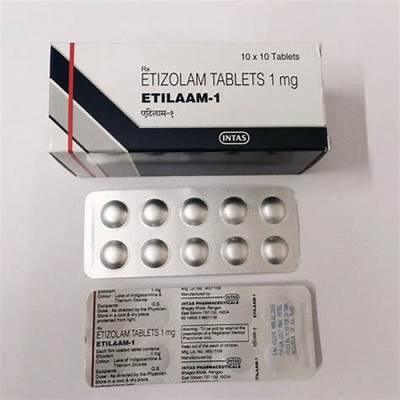
Buy Etilaam tablets Online
$105.00 – $450.00Price range: $105.00 through $450.00
- Buy Etilaam IMG 1g Tablet Online Online from Best Viral Drug Store and get it
shipped to your door step for a great price today with your package being insured and secured.
Fast Shipping | Discreet Shipping | Secure Insurance | 100% Secured Payment
Quantity
Choose an option
Add to cart
Buy Now
SKU: N/A
Categories: Anxiety And Depressants, New Products
Tags: Buy Etilaam tablets Online germany, Buy Etilaam tablets Online italy, Buy Etilaam tablets Online spain, Buy Etilaam tablets Online UK, Buy Etilaam tablets Online usa, BuyEtilaamImg1gTabletOnline, Etilaam tablets anxiety treatment Australia, Etilaam tablets anxiety treatment Austria, Etilaam tablets anxiety treatment Bangladesh, Etilaam tablets anxiety treatment Belgium, Etilaam tablets anxiety treatment Canada, Etilaam tablets anxiety treatment Czech Republic, Etilaam tablets anxiety treatment Denmark, Etilaam tablets anxiety treatment Egypt, Etilaam tablets anxiety treatment Finland, Etilaam tablets anxiety treatment France, Etilaam tablets anxiety treatment Germany, Etilaam tablets anxiety treatment India, Etilaam tablets anxiety treatment Indonesia, Etilaam tablets anxiety treatment Italy, Etilaam tablets anxiety treatment Japan, Etilaam tablets anxiety treatment Kenya, Etilaam tablets anxiety treatment Nepal, Etilaam tablets anxiety treatment Netherlands, Etilaam tablets anxiety treatment New Zealand, Etilaam tablets anxiety treatment Nigeria, Etilaam tablets anxiety treatment Norway, Etilaam tablets anxiety treatment Pakistan, Etilaam tablets anxiety treatment Philippines, Etilaam tablets anxiety treatment Poland, Etilaam tablets anxiety treatment South Africa, Etilaam tablets anxiety treatment South Korea, Etilaam tablets anxiety treatment Spain, Etilaam tablets anxiety treatment Sri Lanka, Etilaam tablets anxiety treatment Sweden, Etilaam tablets anxiety treatment Switzerland, Etilaam tablets anxiety treatment Thailand, Etilaam tablets anxiety treatment UAE, Etilaam tablets anxiety treatment UK, Etilaam tablets anxiety treatment USA, Etilaam tablets medical information Australia, Etilaam tablets medical information Austria, Etilaam tablets medical information Bangladesh, Etilaam tablets medical information Belgium, Etilaam tablets medical information Canada, Etilaam tablets medical information Czech Republic, Etilaam tablets medical information Denmark, Etilaam tablets medical information Egypt, Etilaam tablets medical information Finland, Etilaam tablets medical information France, Etilaam tablets medical information Germany, Etilaam tablets medical information India, Etilaam tablets medical information Indonesia, Etilaam tablets medical information Italy, Etilaam tablets medical information Japan, Etilaam tablets medical information Kenya, Etilaam tablets medical information Nepal, Etilaam tablets medical information Netherlands, Etilaam tablets medical information New Zealand, Etilaam tablets medical information Nigeria, Etilaam tablets medical information Norway, Etilaam tablets medical information Pakistan, Etilaam tablets medical information Philippines, Etilaam tablets medical information Poland, Etilaam tablets medical information South Africa, Etilaam tablets medical information South Korea, Etilaam tablets medical information Spain, Etilaam tablets medical information Sri Lanka, Etilaam tablets medical information Sweden, Etilaam tablets medical information Switzerland, Etilaam tablets medical information Thailand, Etilaam tablets medical information UAE, Etilaam tablets medical information United Kingdom, Etilaam tablets medical information United States, Etilaam tablets patient information Australia, Etilaam tablets patient information Austria, Etilaam tablets patient information Bangladesh, Etilaam tablets patient information Belgium, Etilaam tablets patient information Canada, Etilaam tablets patient information Czech Republic, Etilaam tablets patient information Denmark, Etilaam tablets patient information Egypt, Etilaam tablets patient information Finland, Etilaam tablets patient information France, Etilaam tablets patient information Germany, Etilaam tablets patient information India, Etilaam tablets patient information Indonesia, Etilaam tablets patient information Italy, Etilaam tablets patient information Japan, Etilaam tablets patient information Kenya, Etilaam tablets patient information Nepal, Etilaam tablets patient information Netherlands, Etilaam tablets patient information New Zealand, Etilaam tablets patient information Nigeria, Etilaam tablets patient information Norway, Etilaam tablets patient information Pakistan, Etilaam tablets patient information Philippines, Etilaam tablets patient information Poland, Etilaam tablets patient information South Africa, Etilaam tablets patient information South Korea, Etilaam tablets patient information Spain, Etilaam tablets patient information Sri Lanka, Etilaam tablets patient information Sweden, Etilaam tablets patient information Switzerland, Etilaam tablets patient information Thailand, Etilaam tablets patient information UAE, Etilaam tablets patient information UK, Etilaam tablets patient information USA, Etilaam tablets prescription guidance Australia, Etilaam tablets prescription guidance Austria, Etilaam tablets prescription guidance Bangladesh, Etilaam tablets prescription guidance Belgium, Etilaam tablets prescription guidance Canada, Etilaam tablets prescription guidance Czech Republic, Etilaam tablets prescription guidance Denmark, Etilaam tablets prescription guidance Egypt, Etilaam tablets prescription guidance Finland, Etilaam tablets prescription guidance France, Etilaam tablets prescription guidance Germany, Etilaam tablets prescription guidance India, Etilaam tablets prescription guidance Indonesia, Etilaam tablets prescription guidance Italy, Etilaam tablets prescription guidance Japan, Etilaam tablets prescription guidance Kenya, Etilaam tablets prescription guidance Nepal, Etilaam tablets prescription guidance Netherlands, Etilaam tablets prescription guidance New Zealand, Etilaam tablets prescription guidance Nigeria, Etilaam tablets prescription guidance Norway, Etilaam tablets prescription guidance Pakistan, Etilaam tablets prescription guidance Philippines, Etilaam tablets prescription guidance Poland, Etilaam tablets prescription guidance South Africa, Etilaam tablets prescription guidance South Korea, Etilaam tablets prescription guidance Spain, Etilaam tablets prescription guidance Sri Lanka, Etilaam tablets prescription guidance Sweden, Etilaam tablets prescription guidance Switzerland, Etilaam tablets prescription guidance Thailand, Etilaam tablets prescription guidance UAE, Etilaam tablets prescription guidance UK, Etilaam tablets prescription guidance USA, Etilaam tablets safety profile Australia, Etilaam tablets safety profile Austria, Etilaam tablets safety profile Bangladesh, Etilaam tablets safety profile Belgium, Etilaam tablets safety profile Canada, Etilaam tablets safety profile Czech Republic, Etilaam tablets safety profile Denmark, Etilaam tablets safety profile Egypt, Etilaam tablets safety profile Finland, Etilaam tablets safety profile France, Etilaam tablets safety profile Germany, Etilaam tablets safety profile India, Etilaam tablets safety profile Indonesia, Etilaam tablets safety profile Italy, Etilaam tablets safety profile Japan, Etilaam tablets safety profile Kenya, Etilaam tablets safety profile Nepal, Etilaam tablets safety profile Netherlands, Etilaam tablets safety profile New Zealand, Etilaam tablets safety profile Nigeria, Etilaam tablets safety profile Norway, Etilaam tablets safety profile Pakistan, Etilaam tablets safety profile Philippines, Etilaam tablets safety profile Poland, Etilaam tablets safety profile South Africa, Etilaam tablets safety profile South Korea, Etilaam tablets safety profile Spain, Etilaam tablets safety profile Sri Lanka, Etilaam tablets safety profile Sweden, Etilaam tablets safety profile Switzerland, Etilaam tablets safety profile Thailand, Etilaam tablets safety profile UAE, Etilaam tablets safety profile UK, Etilaam tablets safety profile USA, EtilaamImg1gTabletOnlineForSale, OrderEtilaamIMG1gTabletOnline
FAQs
Depending on the destination of the delivery ,It normally takes 3 – 5 days for a product to be delivered to a location after being purchased .Incase of any delay we will let the customer know the situation via e-mail.
Any Orders paid before 10:00 AM (PST) will ship the same business day. Any orders paid for after 10:00 AM (PST) will be shipped the following business day (Excluding Holidays)
If you haven’t received your tracking code , its most likely that you haven’t paid or complete your payment for your order. In which case you should do so,then your order will be processed and you will receive your tracking. But if you made complete payment but still havent received your tracking code, then contact support on live chat please
Incase you don’t have any of the listed payment methods and still want to make payment via another method you have, please contact our surpport agent on our live chat app and know if we accept that kind of payment
FAQs
Etilaam Tablets: Global Medical Overview, Uses, Safety, and Patient Awareness in High-Demand Countries
Introduction to Etilaam Tablets
Etilaam tablets are a brand formulation of etizolam, a thienodiazepine compound widely recognized for its anxiolytic, sedative, hypnotic, and muscle-relaxant properties. Though often grouped with benzodiazepines due to similar effects, etizolam has a distinct chemical structure and pharmacological profile.
In many regions across Asia, Europe, parts of Africa, and select global markets, Etilaam tablets are commonly discussed within medical, psychiatric, and patient-education contexts due to rising awareness of anxiety disorders, panic disorders, insomnia, and stress-related conditions.
This article provides a comprehensive, medically responsible overview of Etilaam tablets, focusing on how they work, approved medical uses, safety considerations, legal status, and why global demand for anxiety treatment information continues to grow.
What Are Etilaam Tablets?
Etilaam tablets contain etizolam, a short-acting psychoactive compound that acts on the GABA-A receptor system in the brain. By enhancing inhibitory neurotransmission, etizolam helps reduce excessive neuronal activity, leading to:
Reduced anxiety
Muscle relaxation
Sedation
Improved sleep onset
Etilaam is often prescribed in low-dose formulations, commonly ranging from 0.25 mg to 1 mg, depending on the clinical indication and patient profile.
Medical Uses of Etilaam Tablets
Etilaam tablets are typically prescribed for short-term management of specific mental health and neurological conditions. Common medically recognized uses include:
1. Anxiety Disorders
Etilaam may be prescribed to manage:
Generalized anxiety disorder (GAD)
Acute stress reactions
Situational anxiety
2. Panic Disorder
Due to its rapid onset, etizolam is sometimes used in controlled settings for panic symptoms.
3. Insomnia
Etilaam may help patients who struggle with:
Difficulty falling asleep
Stress-induced sleep disturbances
Short-term insomnia
4. Muscle Tension and Psychosomatic Symptoms
In some cases, it is used to relieve muscle tension associated with anxiety or neurological conditions.
Why Global Interest in Etilaam Tablets Is Increasing
Across many high-demand countries, interest in Etilaam tablets has grown due to several global trends:
Rising Mental Health Awareness
Increased diagnosis of anxiety and sleep disorders
Reduced stigma surrounding psychiatric treatment
Urbanization and Stress
High-pressure work environments
Economic uncertainty
Social and lifestyle changes
Limited Access to Mental Health Specialists
In some regions, primary care physicians prescribe short-term anxiolytics where psychotherapy access is limited.
Search Demand vs. Medical Need
Many online searches reflect patient curiosity and education needs, not necessarily intent to purchase. This makes informational content especially important.
Countries with High Search Interest in Etilaam Tablets
While legal status varies, high informational demand for Etilaam-related topics is commonly observed in:
India
Bangladesh
Sri Lanka
Pakistan
Nepal
Thailand
Philippines
Japan
South Korea
United Kingdom
Germany
France
Italy
Spain
Eastern Europe
South Africa
Nigeria
Kenya
United Arab Emirates
In these regions, users often search for:
Medication guides
Dosage information
Safety profiles
Legal status
Alternatives
Dosage and Administration (Medical Overview)
Dosage of Etilaam tablets is strictly individualized and determined by a healthcare professional. Typical medical guidance includes:
Lowest effective dose
Short-term use only
Gradual tapering to prevent withdrawal
Etilaam is usually taken once daily or as prescribed, often in the evening if used for sleep-related symptoms.
Safety Profile and Side Effects
Like all GABAergic medications, Etilaam tablets carry potential risks. Commonly reported side effects may include:
Drowsiness
Dizziness
Fatigue
Reduced alertness
Memory impairment
Less common but serious risks include:
Dependence with prolonged use
Withdrawal symptoms if stopped abruptly
Cognitive slowing
Interaction with alcohol or other CNS depressants
Dependency and Responsible Use
One of the most critical aspects of Etilaam education is dependency awareness.
Medical professionals emphasize:
Short-duration therapy
Avoiding dose escalation
Regular follow-up
Non-pharmacological alternatives where possible
Patients are advised never to self-medicate or extend use without medical supervision.
Drug Interactions
Etilaam tablets may interact with:
Alcohol
Opioids
Antidepressants
Other sedatives
Antihistamines
These interactions can increase the risk of respiratory depression, excessive sedation, and impaired coordination.
Legal Status of Etilaam Tablets Worldwide
The regulatory classification of etizolam varies significantly:
Prescription-only in many Asian countries
Controlled or unapproved in parts of Europe and North America
Banned or restricted in some regions due to misuse concerns
Patients are advised to check local regulations and consult licensed healthcare providers before discussing treatment options.
Alternatives to Etilaam Tablets
Depending on diagnosis and country guidelines, alternatives may include:
Pharmacological Options
SSRIs and SNRIs
Buspirone
Other benzodiazepines (where approved)
Non-Pharmacological Therapies
Cognitive behavioral therapy (CBT)
Mindfulness-based stress reduction
Sleep hygiene interventions
Lifestyle and dietary changes
Importance of Medical Supervision
Etilaam tablets should only be used under professional supervision. A qualified clinician can:
Confirm diagnosis
Monitor side effects
Adjust dosage
Plan safe discontinuation
Self-treatment poses significant health risks and legal consequences in many regions.
SEO and Medical Content Compliance
This article is designed to:
Provide educational, non-promotional information
Follow medical accuracy and responsibility
Avoid encouragement of illegal distribution
Support patient awareness and safety
Conclusion
Etilaam tablets play a role in the short-term medical management of anxiety and sleep-related conditions in several countries worldwide. Growing global interest reflects increased mental health awareness rather than simple product demand.
Understanding how Etilaam works, its risks, legal status, and alternatives empowers patients to make informed decisions in consultation with healthcare professionals.
Responsible education remains the cornerstone of safe mental health treatment—regardless of geography.
| Quantity |
|---|
Be the first to review “Buy Etilaam tablets Online” Cancel reply
Related products
 Hot
Hot
Select options
This product has multiple variants. The options may be chosen on the product page
Select options
This product has multiple variants. The options may be chosen on the product page
Select options
This product has multiple variants. The options may be chosen on the product page

 Hot
Hot
Select options
This product has multiple variants. The options may be chosen on the product page
Reviews
There are no reviews yet.