No products in the cart.
-20%-20%

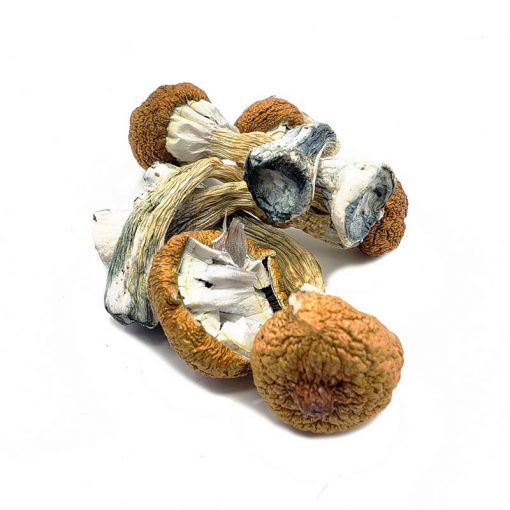
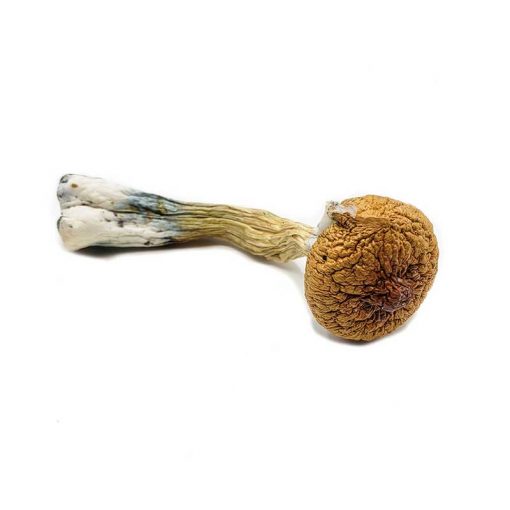
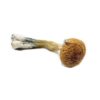
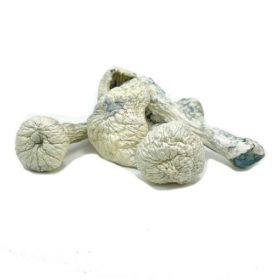
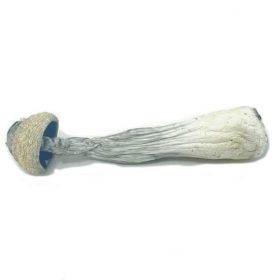
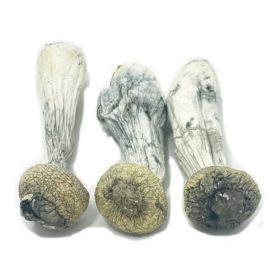
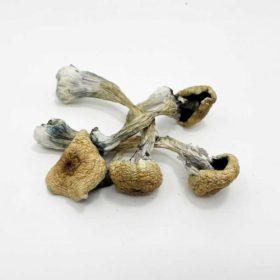
Blue Meanie Magic Mushrooms (28g)
$150.00 Original price was: $150.00.$120.00Current price is: $120.00.
Add to cart
Buy Now
Category: Magic Mushroom
Tags: academic mushroom studies, Are Blue Meanie Magic Mushrooms bought online certified?, Are Blue Meanie Magic Mushrooms shipped when ordered online?, Are online Blue Meanie Magic Mushrooms prices cheaper than local stores?, Are online Blue Meanie Magic Mushrooms subscription or savings plans trustworthy?, Are online reviews reliable for Blue Meanie Magic Mushrooms dealers?, Are there customs fees when importing Blue Meanie Magic Mushrooms?, Are there discounts or promo codes for buying Blue Meanie Magic Mushrooms online?, Are there taxes on buying Blue Meanie Magic Mushrooms online?, blue bruising mushrooms, blue bruising psilocybin mushrooms, blue meanie magic mushrooms, Blue Meanie Magic Mushrooms sellers near me, Blue Meanie Magic Mushrooms sellers online, blue meanie mushroom chemistry, blue meanie mushroom confusion, blue meanie mushroom facts, blue meanie mushroom guide, blue meanie mushroom history, blue meanie mushroom identification, blue meanie mushroom information page, blue meanie mushroom overview page, blue meanie mushroom species, blue meanie mushrooms explained, blue meanie psilocybe cubensis, blue meanie strain vs species, blue staining mushrooms explained, Can I buy Blue Meanie Magic Mushrooms from international online sellers?, Can I buy Blue Meanie Magic Mushrooms online and pick it up in-store?, Can I buy Blue Meanie Magic Mushrooms online anonymously?, Can I insure my Blue Meanie Magic Mushrooms delivery?, Can I sell back Blue Meanie Magic Mushrooms purchased online?, Can I track Blue Meanie Magic Mushrooms shipments online?, decomposer fungi explained, difference between blue meanie strains, Do Blue Meanie Magic Mushrooms bought online come with a certificate of authenticity?, Do Blue Meanie Magic Mushrooms purchased online include a warranty?, Do online Blue Meanie Magic Mushrooms dealers offer insurance for shipping?, educational fungi content, educational mushroom content, environmental role of fungi, ethnomycology studies, fungal biology education, fungal biology psilocybin, fungal biology reference, fungal conservation education, fungal ecology psilocybe, fungal ecosystems research, fungal enzymatic reactions, fungal genetics research, fungal lifecycle explained, fungal morphology guide, fungal oxidation process, fungal research ethics, fungal research trends, fungal scientific naming, fungal study background, fungi anatomy psilocybe, fungi chemical compounds research, fungi neuroscience research context, fungi science explained, fungi taxonomy guide, fungi with blue bruising, Getting prescribed Blue Meanie Magic Mushrooms, How do I avoid buying fake Blue Meanie Magic Mushrooms online?, How do I avoid scams when buying Blue Meanie Magic Mushrooms online?, How do I check real-time Blue Meanie Magic Mushrooms prices before buying?, How do I compare Blue Meanie Magic Mushrooms prices across online dealers?, How do I know if an online Blue Meanie Magic Mushrooms seller is legitimate?, How do I know if Blue Meanie Magic Mushrooms are real?, How do I protect Blue Meanie Magic Mushrooms during shipping?, How do I store Blue Meanie Magic Mushrooms after buying them online?, How do online Blue Meanie Magic Mushrooms auctions work?, How quickly do online Blue Meanie Magic Mushrooms sellers ship orders?, How to buy Blue Meanie Magic Mushrooms, How to get Blue Meanie Magic Mushrooms, How to sell Blue Meanie Magic Mushrooms, Is it safe to buy Blue Meanie Magic Mushrooms online?, latin mushroom taxonomy, magic mushroom academic discussion, magic mushroom awareness, magic mushroom classification, magic mushroom cultural history, magic mushroom encyclopedia entry, magic mushroom misinformation, magic mushroom myths facts, magic mushroom naming origins, magic mushroom reference guide, magic mushroom science, magic mushroom taxonomy, modern mycology trends, mushroom biodiversity research, mushroom cap and stem anatomy, mushroom consciousness research history, mushroom evolution studies, mushroom identification science, mushroom legality awareness education, mushroom nutrient cycling, mushroom oxidation reaction, mushroom research literature, mushroom science blog content, mushroom science overview, mushroom scientific facts, mushroom species comparison, mushroom species diversity, mushroom strain terminology explained, mycology academic resources, mycology beginner resources, mycology education mushrooms, mycology informational article, mycology knowledge base, mycology learning resources, mycology research mushrooms, natural psychedelic compounds education, panaeolus cyanescens blue meanie, panaeolus cyanescens morphology, panaeolus cyanescens overview, psilocybe cubensis morphology, psilocybe cubensis strains, psilocybin containing fungi, psilocybin fungi classification, psilocybin mushroom education, psilocybin mushroom overview article, psilocybin mushrooms overview, psilocybin oxidation blue bruising, psilocybin research overview, psilocybin serotonin studies overview, psychedelic fungi education, psychedelic mushroom research, psychedelic studies background, soil fungi biodiversity, what are blue meanie mushrooms, What are the risks of buying Blue Meanie Magic Mushrooms online?, What are the safest payment methods for buying Blue Meanie Magic Mushrooms online?, What are the shipping costs for buying Blue Meanie Magic Mushrooms online?, What certifications should an online Blue Meanie Magic Mushrooms seller have?, What dosage of Blue Meanie Magic Mushrooms should I buy?, What is the best Blue Meanie Magic Mushrooms investment for beginners?, What is the best website to buy Blue Meanie Magic Mushrooms online?, What is the best website to buy Blue Meanie Magic Mushrooms?, What is the return policy when buying Blue Meanie Magic Mushrooms online?, What's the minimum amount of Blue Meanie Magic Mushrooms I can buy online?, Where to buy Blue Meanie Magic Mushrooms, Where to buy good Blue Meanie Magic Mushrooms online?
FAQs
Depending on the destination of the delivery ,It normally takes 3 – 5 days for a product to be delivered to a location after being purchased .Incase of any delay we will let the customer know the situation via e-mail.
Any Orders paid before 10:00 AM (PST) will ship the same business day. Any orders paid for after 10:00 AM (PST) will be shipped the following business day (Excluding Holidays)
If you haven’t received your tracking code , its most likely that you haven’t paid or complete your payment for your order. In which case you should do so,then your order will be processed and you will receive your tracking. But if you made complete payment but still havent received your tracking code, then contact support on live chat please
Incase you don’t have any of the listed payment methods and still want to make payment via another method you have, please contact our surpport agent on our live chat app and know if we accept that kind of payment
FAQs
Blue Meanie Magic Mushrooms: History, Science, and Cultural Significance
Blue Meanie Magic Mushrooms are among the most talked-about names in modern mycology and psychedelic culture. Known for their striking reputation, vivid coloration, and strong presence in mushroom lore, Blue Meanie mushrooms occupy a unique place in both scientific discussion and popular fascination.
Despite their widespread name recognition, Blue Meanie Magic Mushrooms are often misunderstood. The term “Blue Meanie” has been used to describe more than one mushroom type, and confusion frequently arises between different species and strains. This article explores Blue Meanie mushrooms from an educational, historical, and scientific perspective, helping readers understand what the name means, where it came from, and why it continues to generate interest worldwide.
Understanding the Name “Blue Meanie”
The name Blue Meanie originally gained popularity due to the mushroom’s intense blue bruising reaction, a natural oxidation process that occurs when psilocybin-containing mushrooms are handled or damaged. This blue coloration is often associated with the presence of psychoactive compounds and has become a visual marker within mycological studies.
However, “Blue Meanie” is not a single, formally recognized scientific species name. Instead, it has been used colloquially to describe:
Psilocybe cubensis (Blue Meanie strain)
Panaeolus cyanescens, sometimes also referred to as Blue Meanies
Both mushrooms contain psilocybin, but they differ significantly in appearance, habitat, and taxonomy. Over time, the nickname “Blue Meanie” became part of popular culture, sometimes used loosely without scientific precision.
Taxonomy and Classification
From a scientific standpoint, Blue Meanie Magic Mushrooms are most often discussed in relation to psilocybin-producing fungi, which belong primarily to the genus Psilocybe and Panaeolus.
Psilocybe cubensis (Blue Meanie variant)
Genus: Psilocybe
Species: cubensis
Family: Hymenogastraceae
This variant is known for:
Thick stems
Convex to flat caps
Pronounced blue bruising
Broad adaptability to different climates
Panaeolus cyanescens
Genus: Panaeolus
Species: cyanescens
Family: Bolbitiaceae
This species is:
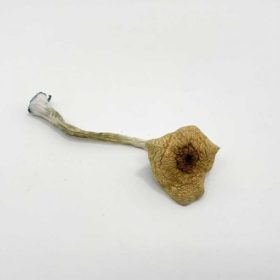
Smaller and thinner
Darker in color
Known for intense blue bruising
Often associated with tropical environments
While both may be called Blue Meanies, mycologists emphasize the importance of proper identification due to their biological differences.
The Science Behind the Blue Color
The iconic blue coloration associated with Blue Meanie Magic Mushrooms is caused by enzymatic oxidation of psilocybin and psilocin. When the mushroom tissue is damaged, these compounds react with oxygen, producing a blue pigment.
This reaction is not decorative—it serves as a valuable indicator for researchers studying psychoactive fungi. The depth and speed of blue bruising have been widely examined in laboratory settings as part of broader fungal chemistry research.
Historical and Cultural Background
Indigenous Knowledge and Early Awareness
Psilocybin mushrooms have been used for centuries in ceremonial and spiritual contexts, particularly in parts of Mesoamerica. While Blue Meanie mushrooms were not always named specifically, their biological relatives played important roles in ancient rituals focused on healing, introspection, and storytelling.
Modern Rediscovery
In the mid-20th century, Western researchers and ethnobotanists began cataloging psychoactive mushrooms more formally. As scientific interest grew, so did public curiosity. The nickname “Blue Meanie” gained traction during this period, partly because of its memorable imagery and counterculture appeal.
Blue Meanie Mushrooms in Modern Mycology
Today, Blue Meanie Magic Mushrooms are frequently referenced in:
Academic research papers
Mycology conferences
Ethnobotanical literature
Psychedelic history discussions
Researchers study these mushrooms for their:
Chemical composition
Ecological roles
Genetic diversity
Potential future applications
Importantly, modern mycology focuses on classification, conservation, and understanding, not promotion of misuse.
Ecological Role and Natural Habitat
Blue Meanie mushrooms naturally occur in environments that support rich fungal biodiversity. These habitats often include:
Grasslands
Tropical and subtropical regions
Areas with decomposing organic matter
As decomposers, these fungi play a crucial role in nutrient cycling, breaking down organic materials and enriching soil ecosystems. Their presence supports microbial balance and promotes plant growth, demonstrating that their ecological value extends far beyond human interest.
Psychological and Neurological Research Context
In scientific literature, psilocybin-containing mushrooms are studied for their interaction with serotonin receptors in the brain. Blue Meanie Magic Mushrooms, as part of this broader category, are often referenced in discussions surrounding:
Neural plasticity research
Cognitive flexibility studies
Perception and consciousness models
These studies are conducted under controlled, ethical, and legal research frameworks. No conclusions are drawn outside of regulated scientific inquiry.
Legal and Ethical Considerations
The legal status of Blue Meanie Magic Mushrooms varies widely across countries and regions. In many places, psilocybin-containing fungi are regulated or restricted, while some jurisdictions allow limited research or decriminalized frameworks.
Ethical discussions emphasize:
Responsible scientific research
Conservation of fungal species
Avoiding misinformation
Respecting cultural origins
Educational content about mushrooms should always prioritize accuracy and legal awareness.
Blue Meanies in Popular Culture
The name “Blue Meanie” has transcended mycology and entered popular culture. References can be found in:
Music lyrics
Art and digital media
Underground literature
Psychedelic visual design
This cultural presence reflects broader human curiosity about altered states of consciousness and the natural world, even when misunderstood or romanticized.
Common Myths and Misconceptions
Myth 1: All Blue Meanies Are the Same
In reality, the term refers to multiple fungi with different biological characteristics.
Myth 2: Blue Color Means Strength
Blue bruising indicates oxidation, not potency or quality.
Myth 3: They Are Rare or Exotic
Some Blue Meanie-associated species are actually widespread in suitable climates.
Importance of Accurate Education
One of the biggest challenges surrounding Blue Meanie Magic Mushrooms is misinformation. Proper education helps distinguish:
Scientific facts from folklore
Taxonomy from slang
Research from speculation
Mycology as a field benefits from clear communication, responsible language, and respect for both science and culture.
The Future of Blue Meanie Research
As interest in fungi continues to grow, Blue Meanie Magic Mushrooms remain a subject of ongoing academic curiosity. Future research may explore:
Genetic mapping
Fungal intelligence models
Environmental resilience
Pharmaceutical synthesis pathways
All such work occurs within regulated institutions and ethical frameworks.
Conclusion
Blue Meanie Magic Mushrooms are far more than a catchy name or cultural symbol. They represent a fascinating intersection of biology, chemistry, history, and human curiosity. From their striking blue bruising reaction to their role in modern mycological research, these mushrooms continue to inspire discussion and study.
Understanding Blue Meanie Magic Mushrooms through an educational lens allows for informed conversation, respect for scientific boundaries, and appreciation of fungi as complex organisms within Earth’s ecosystems.
As mycology advances, the story of Blue Meanies serves as a reminder of how much remains to be learned about the natural world—and how important responsible knowledge truly is.
Be the first to review “Blue Meanie Magic Mushrooms (28g)” Cancel reply
Related products
0
0
0
Reviews
There are no reviews yet.