
No products in the cart.
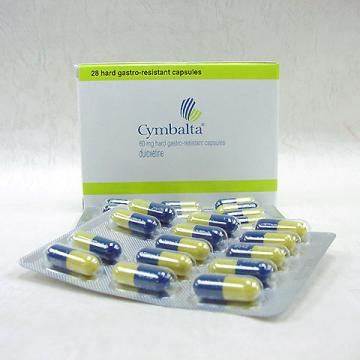

Buy Cymbalta (Duloxetine) Online
$105.00 – $400.00Price range: $105.00 through $400.00
- Buy Cymbalta (Duloxetine) online At Dripp Drug Store and get it
shipped to your door step for a great price today with your package being insured and secured.
Fast Shipping | Discreet Shipping | Secure Insurance | 100% Secured Payment
Quantity
Choose an option
Add to cart
Buy Now
SKU: N/A
Category: Anxiety And Depressants
Tags: buy combalta USA online, Buy Cymbalta canada, Buy Cymbalta germany, Buy Cymbalta spain, Buy Cymbalta uk, Buy Cymbalta us, BuyCymbaltaDuloxetineOnline, CymbaltaDuloxetineOnlineForSale, How to buy combalta online, order combalta UK, OrderCymbaltaDuloxetineOnline
FAQs
Depending on the destination of the delivery ,It normally takes 3 – 5 days for a product to be delivered to a location after being purchased .Incase of any delay we will let the customer know the situation via e-mail.
Any Orders paid before 10:00 AM (PST) will ship the same business day. Any orders paid for after 10:00 AM (PST) will be shipped the following business day (Excluding Holidays)
If you haven’t received your tracking code , its most likely that you haven’t paid or complete your payment for your order. In which case you should do so,then your order will be processed and you will receive your tracking. But if you made complete payment but still havent received your tracking code, then contact support on live chat please
Incase you don’t have any of the listed payment methods and still want to make payment via another method you have, please contact our surpport agent on our live chat app and know if we accept that kind of payment
FAQs
Cymbalta (Duloxetine): A Comprehensive Guide to Uses, Benefits, Side Effects, and Patient Considerations
Introduction to Cymbalta
Cymbalta is the brand name for duloxetine, a prescription medication widely used in modern medicine to manage depression, anxiety disorders, and chronic pain conditions. Classified as a serotonin-norepinephrine reuptake inhibitor (SNRI), Cymbalta works by restoring balance to key neurotransmitters in the brain, helping regulate mood, emotional response, and pain perception.
Since its approval by regulatory authorities, Cymbalta has become an important treatment option for millions of patients worldwide. Its dual action on serotonin and norepinephrine makes it particularly useful for individuals who experience both emotional and physical symptoms, such as depression combined with nerve pain or anxiety accompanied by chronic discomfort.
This guide provides an in-depth, patient-friendly overview of Cymbalta—covering how it works, what it treats, potential benefits, risks, side effects, and essential considerations for safe use.
What Is Cymbalta?
Cymbalta (duloxetine hydrochloride) is a prescription antidepressant medication belonging to the SNRI class. Unlike selective serotonin reuptake inhibitors (SSRIs), which primarily affect serotonin levels, Cymbalta targets two neurotransmitters simultaneously:
Serotonin – involved in mood regulation, emotional stability, and sleep
Norepinephrine – associated with alertness, energy, focus, and pain modulation
By increasing the availability of these neurotransmitters in the brain and spinal cord, Cymbalta helps improve mood, reduce anxiety, and decrease certain types of chronic pain.
Approved Medical Uses of Cymbalta
Cymbalta is prescribed for several FDA-approved indications, making it a versatile medication across mental health and pain management.
1. Major Depressive Disorder (MDD)
Cymbalta is commonly prescribed for adults diagnosed with major depressive disorder, a condition characterized by persistent sadness, loss of interest, fatigue, and impaired daily functioning. Many patients experience improvement in mood, motivation, and emotional resilience within several weeks of treatment.
2. Generalized Anxiety Disorder (GAD)
For individuals with generalized anxiety disorder, Cymbalta can help reduce excessive worry, nervousness, irritability, and physical tension. Its balanced neurotransmitter action supports both emotional calmness and mental clarity.
3. Diabetic Peripheral Neuropathy
Cymbalta is approved for the treatment of nerve pain caused by diabetes. This type of pain often presents as burning, tingling, or sharp sensations in the hands and feet. Duloxetine helps modulate pain signals at the central nervous system level.
4. Fibromyalgia
Fibromyalgia causes widespread musculoskeletal pain, fatigue, and cognitive difficulties. Cymbalta can help reduce pain intensity and improve daily functioning in people living with this chronic condition.
5. Chronic Musculoskeletal Pain
Cymbalta is also prescribed for chronic lower back pain and osteoarthritis-related pain, particularly when traditional pain relievers are ineffective or unsuitable.
How Cymbalta Works in the Body
Cymbalta functions by inhibiting the reuptake of serotonin and norepinephrine in nerve cells. Normally, after neurotransmitters transmit a signal, they are reabsorbed by neurons. Cymbalta slows this process, allowing higher levels of these chemicals to remain active in the brain.
Key effects include:
Improved emotional regulation
Reduced pain signal transmission
Enhanced stress response control
Stabilization of mood and anxiety levels
Because Cymbalta affects both mental and physical pathways, it is often described as a dual-purpose medication.
Cymbalta Dosage and Administration
Cymbalta is available in delayed-release capsules, typically taken once daily, with or without food.
Common dosage ranges:
30 mg per day – often used as a starting dose
60 mg per day – standard therapeutic dose for most conditions
Up to 120 mg per day – in select cases, under medical supervision
Dosage depends on:
The condition being treated
Patient response
Tolerance to side effects
Age and overall health
⚠️ Cymbalta capsules should not be crushed, chewed, or opened, as this can affect how the medication is absorbed.
How Long Does Cymbalta Take to Work?
The timeline for Cymbalta’s effects varies:
Pain relief: Some patients notice improvement within 1–2 weeks
Anxiety reduction: Often improves within 2–4 weeks
Depression symptoms: May take 4–6 weeks for full benefits
Consistency is key. Patients should continue taking Cymbalta as prescribed, even if immediate results are not felt.
Potential Side Effects of Cymbalta
Like all prescription medications, Cymbalta may cause side effects. These range from mild and temporary to more serious in rare cases.
Common Side Effects
Nausea
Dry mouth
Fatigue or drowsiness
Dizziness
Constipation
Increased sweating
Decreased appetite
These often improve as the body adjusts to the medication.
Less Common but Serious Side Effects
Elevated blood pressure
Liver enzyme changes
Mood changes or agitation
Sleep disturbances
Sexual side effects
Rare but Serious Warnings
Increased risk of suicidal thoughts (especially in young adults)
Serotonin syndrome when combined with certain medications
Severe withdrawal symptoms if stopped abruptly
Patients should seek immediate medical attention if they experience severe mood changes, confusion, fever, or unusual behavior.
Cymbalta Withdrawal and Discontinuation
Stopping Cymbalta suddenly can lead to discontinuation syndrome, which may include:
Dizziness
Headaches
Irritability
Nausea
Sensory disturbances (“brain zaps”)
To avoid this, healthcare providers recommend gradual dose tapering rather than abrupt discontinuation.
Drug Interactions to Be Aware Of
Cymbalta may interact with:
Other antidepressants
MAO inhibitors
Blood thinners
Certain migraine medications
Alcohol
Combining Cymbalta with alcohol may increase the risk of liver damage and worsen side effects such as drowsiness.
Always inform a healthcare provider about all medications and supplements being taken.
Who Should Not Take Cymbalta?
Cymbalta may not be suitable for individuals who:
Have uncontrolled narrow-angle glaucoma
Have severe liver disease
Are taking MAO inhibitors
Have a history of severe allergic reactions to duloxetine
Pregnant or breastfeeding individuals should discuss risks and benefits with a healthcare professional.
Cymbalta vs Other Antidepressants
Compared to SSRIs, Cymbalta offers:
Stronger pain-relief benefits
Dual neurotransmitter support
Broader use in chronic pain conditions
However, it may also carry a higher risk of certain side effects, making personalized medical advice essential.
Living Well While Taking Cymbalta
To maximize benefits:
Take medication at the same time daily
Maintain regular follow-ups with a healthcare provider
Monitor mood and physical symptoms
Avoid abrupt dosage changes
Combine medication with therapy or lifestyle changes when appropriate
Frequently Asked Questions About Cymbalta
Is Cymbalta addictive?
Cymbalta is not considered addictive, but it can cause withdrawal symptoms if stopped suddenly.
Can Cymbalta help with pain and depression at the same time?
Yes. This dual benefit is one of Cymbalta’s most significant advantages.
Can Cymbalta be taken long-term?
Many patients use Cymbalta long-term under medical supervision when benefits outweigh risks.
Final Thoughts on Cymbalta
Cymbalta remains a widely prescribed and clinically valuable medication for treating depression, anxiety, and chronic pain conditions. Its unique dual-action mechanism offers relief for both emotional and physical symptoms, making it a preferred option for many patients.
However, like all prescription medications, Cymbalta should be used responsibly, under the guidance of a qualified healthcare provider.duloxetine Understanding its benefits, risks, and proper usage empowers patients to make informed decisions and achieve better health outcomes.
| Quantity |
|---|
Be the first to review “Buy Cymbalta (Duloxetine) Online” Cancel reply
Related products
Select options
This product has multiple variants. The options may be chosen on the product page
Select options
This product has multiple variants. The options may be chosen on the product page
Select options
This product has multiple variants. The options may be chosen on the product page
Select options
This product has multiple variants. The options may be chosen on the product page
Reviews
There are no reviews yet.