
No products in the cart.
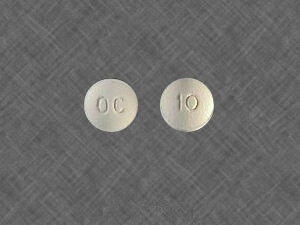
OXYCONTIN OC 10MG
$299.00 – $749.00Price range: $299.00 through $749.00
Drugs like Oxycontin OC 10mg are good in relieving pain. The information in this article on OxyContin OC 10 mg is expanded. Purchasing OxyContin OC 10mg online from our pharmacy website is simple. We offer Oxycontin OC 10mg overnight shipping with a money-back guarantee.
Quantity
Choose an option
Add to cart
Buy Now
SKU: N/A
Categories: New Products, OPIOIDS, Pain Killers
Tags: Are there restrictions on traveling with a prescription for OxyContin 10mg?, Buy Oxycontin Online, Can a doctor refuse to prescribe OxyContin 10mg?, Can OxyContin 10mg be prescribed for short-term injuries?, Can telehealth doctors prescribe OxyContin 10mg?, Do pharmacies keep extra records for OxyContin 10mg?, How can patients discuss pain-management alternatives to OxyContin 10mg?, How do doctors evaluate patients before prescribing OxyContin 10mg?, How do pharmacies verify prescriptions for OxyContin 10mg?, How do pharmacists decide whether to dispense OxyContin 10mg?, How do prescription monitoring programs track OxyContin 10mg?, How do regulations affect access to OxyContin 10mg?, How do state laws affect access to OxyContin 10mg?, How does insurance handle prescriptions for OxyContin 10mg?, How does OxyContin 10mg dispensing differ between states?, How often can a patient refill OxyContin 10mg?, Is it allowed to transfer an OxyContin 10mg prescription to another pharmacy?, Is it legal to order OxyContin 10mg online with a prescription?, Is OxyContin 10mg available at pharmacies with a valid prescription?, ow can I get a prescription for OxyContin 10mg legally?, What are the penalties for possessing OxyContin 10mg without a prescription?, What conditions qualify for an OxyContin 10mg prescription?, What do doctors consider before prescribing OxyContin 10mg?, What is required for doctors to prescribe OxyContin 10mg safely?, What is the legal process for obtaining OxyContin 10mg for chronic pain?, What paperwork is needed to access OxyContin 10mg?, What should patients know before requesting OxyContin 10mg?, What steps must patients follow to legally obtain OxyContin 10mg?, Why do doctors limit doses of OxyContin 10mg?, Why do some pharmacies restrict OxyContin 10mg availability?, Why is OxyContin 10mg a controlled substance?
FAQs
Depending on the destination of the delivery ,It normally takes 3 – 5 days for a product to be delivered to a location after being purchased .Incase of any delay we will let the customer know the situation via e-mail.
Any Orders paid before 10:00 AM (PST) will ship the same business day. Any orders paid for after 10:00 AM (PST) will be shipped the following business day (Excluding Holidays)
If you haven’t received your tracking code , its most likely that you haven’t paid or complete your payment for your order. In which case you should do so,then your order will be processed and you will receive your tracking. But if you made complete payment but still havent received your tracking code, then contact support on live chat please
Incase you don’t have any of the listed payment methods and still want to make payment via another method you have, please contact our surpport agent on our live chat app and know if we accept that kind of payment
FAQs
OXYCONTIN 10mg
People who need continuous pain relief are offered Oxycontin OC 10mG, an extended-release opioid. Using it for regular, low-dose pain relief is not recommended. Instead, this opioid is given to individuals who require continuous, 24-hour treatment for severe pain. It should never be taken on a daily basis or in place of a pain reliever.
PROPER INTAKE OF OXYCONTIN 10mg
Oxycodone should be taken as prescribed by your physician. Patients must take their prescriptions exactly as prescribed, not more frequently or for longer. Older patients can be more susceptible to the adverse effects of the drug. If they consume too much of the drug, it could become addictive and cause mental dependence.
AVOIDING ALCOHOL WHILE TAKING OXYCONTIN
You should abstain from alcohol if you are using oxycodone or other opioid painkillers. A hazardous overdose may result from interactions between the two drugs. Both medications have an impact on the central nervous system and slow breathing, which can lead to oxygen deprivation or even death. If you have any questions or concerns about combining the two, it is imperative that you speak with your physician.
Alcohol and opioids can affect judgment and decision-making. Your reaction time will be slowed by both drugs, which could cause you to misjudge how much to drink. If you do consume alcohol while taking oxycodone, you run the risk of overindulging and getting very drunk.
SIDE EFFECTS OF OXYCONTIN 10mg
Prescription opioids like OXYCONTIN 10mg can have a variety of adverse effects. A rapid heartbeat, facial and tongue enlargement, and breathing difficulties are a few of these. Additionally, it may result in agitation and elevated body temperature. Additionally, some people may have dizziness and difficulty walking. The U.S. Food and Drug Administration has approved OXYCONTIN in spite of these possible adverse effects.
There is a significant chance of abuse and overuse, just like with any opioid. Overdose, addiction, and even death can result from abuse. Additionally, abuse may cause thrombotic microangiopathy, infection, or local tissue necrosis. You should discuss these concerns with a healthcare professional if you or a loved one is using Oxycontin.
SYMPTOMS OF OVERDOSE
There are a few things you should know if you think you may have taken too much Oxycontin. Overdosing can be fatal, and if you don’t take precautions, you might wind up in the ER. An overdose might be indicated by a number of symptoms, such as extreme drowsiness and severe itching. You should get medical attention right once if you have any of these symptoms.
Naloxone can be used to assist reverse the effects if a patient’s breathing slows or stops entirely. Serotonin syndrome, which can result in agitation and hallucinations, is another sign of an overdose. Additionally, the patient may have nausea and twitching due to serotonin levels. This problem may be more likely to occur in people with a history of respiratory conditions like asthma.
| Quantity |
|---|
Be the first to review “OXYCONTIN OC 10MG” Cancel reply
Related products
 Hot
Hot
Select options
This product has multiple variants. The options may be chosen on the product page
Select options
This product has multiple variants. The options may be chosen on the product page

 Hot
Hot
Select options
This product has multiple variants. The options may be chosen on the product page
Select options
This product has multiple variants. The options may be chosen on the product page
Reviews
There are no reviews yet.