
No products in the cart.
-14%Hot-14%Hot

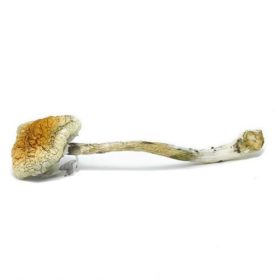
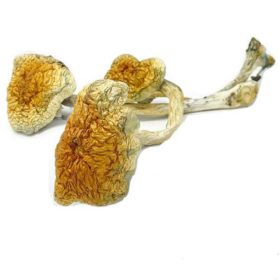
Rusty White Magic Mushrooms (Psilocybe Cubensis) 28g
$140.00 Original price was: $140.00.$120.00Current price is: $120.00.
Add to cart
Buy Now
Category: Magic Mushroom
Tags: academic mushroom research australia, academic mushroom research usa, cubensis ecology guide, cubensis morphology guide, cubensis mushroom strain guide, cubensis research communities australia, cubensis research communities usa, cubensis spore coloration, cubensis strain overview australia, cubensis strain overview usa, educational mushroom content australia, educational mushroom content usa, fungal education australia, fungal education united states, fungi biodiversity australia, fungi biodiversity usa, fungi research hubs australia, fungi research hubs usa, leucistic cubensis mushrooms, leucistic mushroom strains, magic mushroom education australia, magic mushroom education usa, magic mushroom strain education, modern mycology australia, modern mycology usa, mushroom awareness california, mushroom awareness colorado, mushroom awareness nsw, mushroom awareness victoria, mushroom conservation education, mushroom culture australia, mushroom culture united states, mushroom ecology research, mushroom education brisbane, mushroom education california, mushroom education colorado, mushroom education florida, mushroom education melbourne, mushroom education new york, mushroom education oregon, mushroom education sydney, mushroom education texas, mushroom education victoria, mushroom education washington, mushroom genetics australia, mushroom genetics research usa, mushroom identification resource, mushroom morphology studies, mushroom phenotypes cubensis, mushroom research arizona, mushroom research california, mushroom research colorado, mushroom research florida, mushroom research illinois, mushroom research massachusetts, mushroom research michigan, mushroom research new south wales, mushroom research new york, mushroom research oregon, mushroom research queensland, mushroom research south australia, mushroom research tasmania, mushroom research texas, mushroom research victoria australia, mushroom research washington state, mushroom research western australia, mushroom science australia, mushroom science united states, mushroom studies north america, mushroom studies oceania, mushroom taxonomy cubensis, mycology education australia, mycology education usa, psychedelic mushroom history australia, psychedelic mushroom history usa, psychedelic studies australia, psychedelic studies usa, rust white cubensis overview, rust white mushroom strain, rusty white cubensis guide, rusty white magic mushrooms usa, rusty white mushroom information, rusty white mushrooms australia, rusty white psilocybe cubensis, sustainable mycology practices
FAQs
Depending on the destination of the delivery ,It normally takes 3 – 5 days for a product to be delivered to a location after being purchased .Incase of any delay we will let the customer know the situation via e-mail.
Any Orders paid before 10:00 AM (PST) will ship the same business day. Any orders paid for after 10:00 AM (PST) will be shipped the following business day (Excluding Holidays)
If you haven’t received your tracking code , its most likely that you haven’t paid or complete your payment for your order. In which case you should do so,then your order will be processed and you will receive your tracking. But if you made complete payment but still havent received your tracking code, then contact support on live chat please
Incase you don’t have any of the listed payment methods and still want to make payment via another method you have, please contact our surpport agent on our live chat app and know if we accept that kind of payment
FAQs
Rusty White Magic Mushrooms: A Comprehensive Guide for the United States and Australia
Introduction to Rusty White Magic Mushrooms
Rusty White Magic Mushrooms are a distinctive and lesser-known variety within the broader Psilocybe cubensis family. Appreciated for their unique appearance, historical background, and place in mycological research, Rusty White mushrooms have attracted attention from mushroom enthusiasts, researchers, and educators across the United States and Australia.
As public interest in fungi, mycology, and psychedelic research continues to grow, Rusty White Magic Mushrooms are increasingly discussed in educational contexts—particularly in states and regions where conversations around mushrooms, mental health research, and alternative wellness are evolving.
This guide is designed to provide clear, readable, and SEO-optimized educational content about Rusty White Magic Mushrooms, with regional relevance to U.S. states and Australia, while emphasizing responsible awareness and legal considerations.
What Are Rusty White Magic Mushrooms?
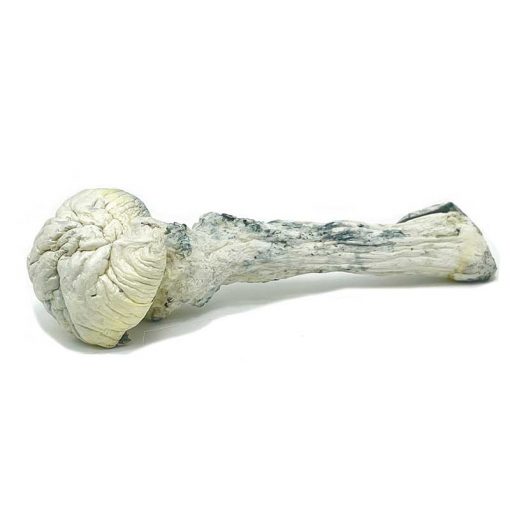
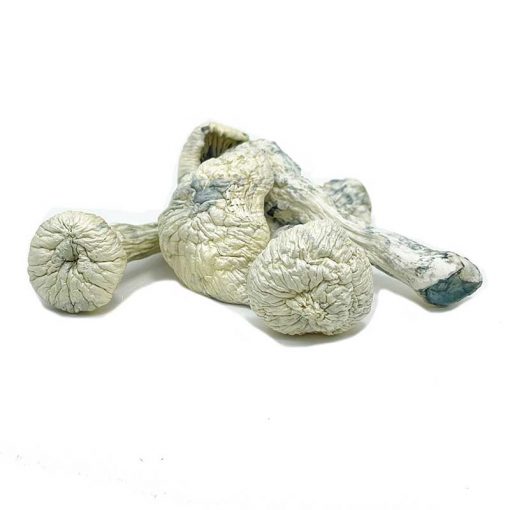
Rusty White Magic Mushrooms are a stabilized genetic isolation of Psilocybe cubensis. They are known for their pale white coloration, thick stems, and spores that oxidize into a rust-colored hue, which inspired the name “Rusty White.”
Unlike albino strains, Rusty White mushrooms are leucistic—meaning they lack pigmentation but still produce spores. This makes them visually striking and scientifically interesting.
Key Characteristics
Pale white to off-cream caps
Thick, sturdy stems
Rust-colored spore deposits
Belong to the Psilocybe cubensis species
Studied primarily for morphology and genetics
Their visual appeal has made them popular in mycology communities across states like California, Colorado, Oregon, Washington, New York, and emerging research hubs in Australia, including Victoria and New South Wales.
Origins and Genetic Background
Rusty White Magic Mushrooms originated as a genetic isolation developed by mycologists seeking to explore leucistic traits in cubensis mushrooms. Over time, selective stabilization resulted in a strain with consistent coloration and structure.
The development of Rusty White mushrooms reflects a broader scientific interest in:
Fungal genetics
Spore pigmentation
Phenotypic expression
Environmental adaptation
In both the United States and Australia, academic institutions and independent researchers have contributed to discussions around mushroom genetics, including cubensis variants like Rusty White.
Visual and Morphological Traits
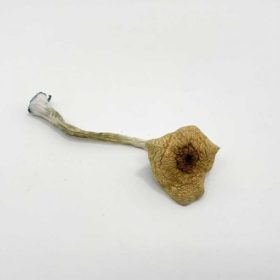
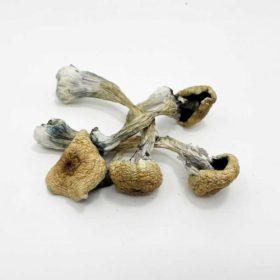
One of the most recognizable features of Rusty White Magic Mushrooms is their clean, pale appearance. Caps often appear smooth and rounded, transitioning from convex to flatter as they mature.
Morphology Highlights
Caps range from white to light beige
Stems are thick and fibrous
Bruising reactions may appear light blue
Spores mature with a rusty brown tone
These features make Rusty White mushrooms a frequent subject in microscopy, photography, and classification studies, particularly in educational communities across the U.S. and Australia.
Educational and Research Interest
Rusty White Magic Mushrooms are frequently discussed in academic and educational settings due to their stable genetic traits and unique pigmentation.
Areas of Interest Include:
Comparative studies of cubensis varieties
Leucism vs. albinism in fungi
Environmental effects on mushroom growth
Cultural perceptions of mushrooms
Universities and research organizations in California, Oregon, Colorado, Massachusetts, and Australian states such as Victoria and Queensland are increasingly involved in broader fungal research conversations.
Cultural and Historical Context
Magic mushrooms have played a role in human culture for thousands of years. While Rusty White Magic Mushrooms are a modern genetic development, they exist within a long historical relationship between humans and fungi.
In recent decades, mushrooms have been re-examined through lenses such as:
Ethnomycology
Mental health research
Sustainability and ecology
Indigenous knowledge systems
In the United States, cities and states have begun reassessing how mushrooms are discussed in public policy. In Australia, interest in psychedelic research and fungal biodiversity has grown steadily.
Legal Awareness: United States and Australia
Understanding legality is essential when discussing Rusty White Magic Mushrooms.
United States (General Overview)
Laws vary by state and municipality. Some U.S. states and cities have moved toward decriminalization or reduced enforcement, while others maintain strict prohibitions.
States frequently referenced in educational discussions include:
California
Colorado
Oregon
Washington
New York
Massachusetts
Michigan
Arizona
Texas
Florida
Legal status can change, and readers should always consult local and state regulations.
Australia (General Overview)
In Australia, regulations differ by state and territory, including:
New South Wales
Victoria
Queensland
Western Australia
South Australia
Tasmania
Australia has also seen increased attention on psychedelic research within regulated medical and academic frameworks.
Important: This content is for educational purposes only and does not encourage or promote illegal activity.
Ecological Importance of Mushrooms
Beyond cultural interest, mushrooms play a crucial ecological role. Rusty White Magic Mushrooms, like other cubensis varieties, belong to a fungal kingdom essential for:
Nutrient recycling
Soil health
Decomposition processes
Ecosystem balance
Understanding fungi contributes to sustainability education in both U.S. and Australian environmental studies.
Mycology Communities in the USA and Australia
Online and offline mycology communities continue to grow rapidly. These groups focus on:
Identification and taxonomy
Mushroom photography
Academic research
Conservation awareness
Cities such as Denver, San Francisco, Portland, Seattle, Austin, Melbourne, Sydney, and Brisbane have active mycology networks that discuss fungi from a scientific and cultural standpoint.
Safety, Responsibility, and Education
Responsible education around mushrooms emphasizes:
Accurate identification
Awareness of legal boundaries
Avoiding misinformation
Respect for science and ecology
Educational resources increasingly stress harm reduction, factual accuracy, and scientific integrity—especially in regions where public curiosity is rising.
Why Rusty White Magic Mushrooms Are Gaining Attention
Several factors contribute to growing interest in Rusty White Magic Mushrooms:
Unique leucistic appearance
Stable genetic lineage
Academic and mycological relevance
Broader interest in fungi worldwide
Expanding research conversations in the USA and Australia
As mushroom education becomes more mainstream, Rusty White continues to appear in scholarly articles, educational blogs, and mycology forums.
Future Outlook: Research and Public Awareness
Looking ahead, Rusty White Magic Mushrooms will likely remain part of:
Academic discussions
Genetic research
Cultural conversations about fungi
Environmental and sustainability studies
In both the United States and Australia, interest in mushrooms shows no signs of slowing, especially as research institutions explore new frontiers in fungal science.
Conclusion
Rusty White Magic Mushrooms represent a fascinating intersection of science, culture, and education. With their distinctive appearance and genetic stability, they have earned a place in modern mycology discussions across U.S. states and Australia.
This guide serves as an informational resource, helping readers understand what Rusty White Magic Mushrooms are, why they matter, and how they fit into broader conversations about fungi—without promoting unsafe or illegal behavior.
As awareness grows, continued emphasis on education, legality, and responsibility will shape how these mushrooms are discussed in the years to come.
Be the first to review “Rusty White Magic Mushrooms (Psilocybe Cubensis) 28g” Cancel reply
Related products
0
0
Reviews
There are no reviews yet.