
No products in the cart.
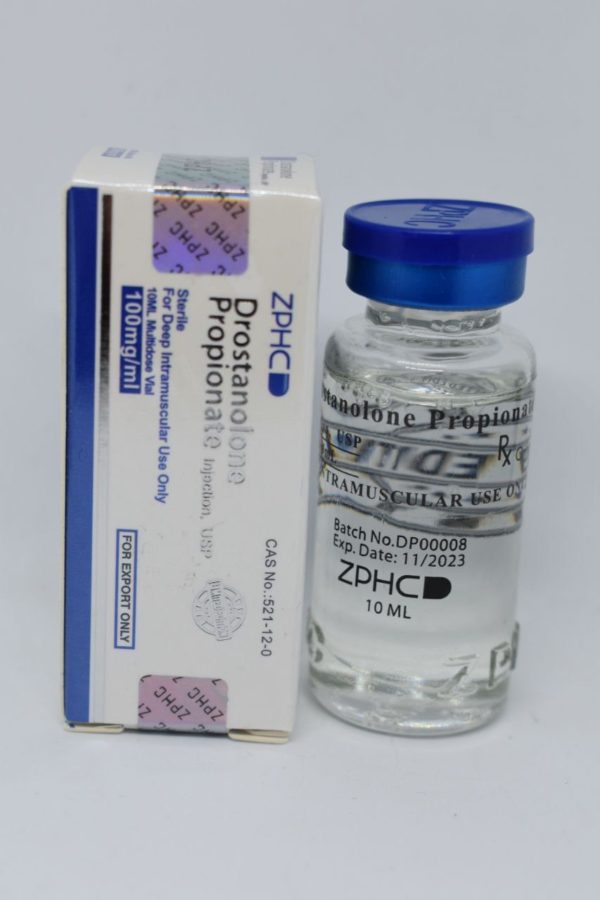
testosterone propionate for sale
$65.00 – $230.00Price range: $65.00 through $230.00
- Purchase Testosterone Propionate 100mg Online from Best Viral Drug Store and have it shipped directly to your door for a low price today. Your package will be insured and secured.
Fast Shipping | Discreet Shipping | Secure Insurance | 100% Secured Payment
Quantity
Choose an option
Add to cart
Buy Now
SKU: N/A
Category: Steroids
Tags: androgen therapy medical use, buy testosterone propionate uk, BuyTestosteronePropionate100mgOnline, clinical testosterone studies, endocrinology education Australia, endocrinology education USA, hormone imbalance treatment education, hormone therapy patient education, medical testosterone resources, men’s hormone health Australia, men’s hormone health USA, order testosterone propionate cannada, order testosterone propionate usa, OrderTestosteronePropionate100mgOnline, testosterone deficiency treatment guide, testosterone ester comparison, testosterone propionate Adelaide, testosterone propionate Alabama, testosterone propionate Alaska, testosterone propionate Alice Springs, testosterone propionate Arizona, testosterone propionate Arkansas, testosterone propionate Australia, testosterone propionate Ballarat, testosterone propionate Bendigo, testosterone propionate Brisbane, testosterone propionate Bundaberg, testosterone propionate Cairns, testosterone propionate California, testosterone propionate Canberra, testosterone propionate Central Coast NSW, testosterone propionate clinical guide, testosterone propionate Colorado, testosterone propionate Connecticut, testosterone propionate Darwin, testosterone propionate endocrinology, testosterone propionate Florida, testosterone propionate for sale, testosterone propionate for sale australia, testosterone propionate for sale canada, testosterone propionate for sale france, testosterone propionate for sale germany, testosterone propionate for sale italy, testosterone propionate for sale spain, testosterone propionate for sale uk, testosterone propionate for sale usa, testosterone propionate Geelong, testosterone propionate Georgia, testosterone propionate Gold Coast, testosterone propionate Hawaii, testosterone propionate Hobart, testosterone propionate hormone therapy, testosterone propionate Idaho, testosterone propionate Illinois, testosterone propionate Indiana, testosterone propionate Iowa, testosterone propionate Kansas, testosterone propionate Kentucky, testosterone propionate Launceston, testosterone propionate Louisiana, testosterone propionate Mackay, testosterone propionate Maryland, testosterone propionate Massachusetts, testosterone propionate medical Australia, testosterone propionate medical information, testosterone propionate Melbourne, testosterone propionate Michigan, testosterone propionate Minnesota, testosterone propionate Mississippi, testosterone propionate Missouri, testosterone propionate Montana, testosterone propionate Nebraska, testosterone propionate Nevada, testosterone propionate New Jersey, testosterone propionate New Mexico, testosterone propionate New York, testosterone propionate Newcastle NSW, testosterone propionate North Carolina, testosterone propionate Ohio, testosterone propionate Oklahoma, testosterone propionate Oregon, testosterone propionate Pennsylvania, testosterone propionate Perth, testosterone propionate pharmacology, testosterone propionate prescription information, testosterone propionate Rockhampton, testosterone propionate South Carolina, testosterone propionate Sunshine Coast, testosterone propionate Sydney, testosterone propionate Tennessee, testosterone propionate Texas, testosterone propionate Toowoomba, testosterone propionate Townsville, testosterone propionate United States, testosterone propionate USA, testosterone propionate Utah, testosterone propionate Virginia, testosterone propionate Washington state, testosterone propionate Wisconsin, testosterone propionate Wollongong, testosterone propionate Wyoming, testosterone replacement therapy propionate, testosterone research Australia, testosterone research USA, testosterone therapy Australia cities, testosterone therapy USA states, TestosteronePropionate100mgOnlineForSale
FAQs
Depending on the destination of the delivery ,It normally takes 3 – 5 days for a product to be delivered to a location after being purchased .Incase of any delay we will let the customer know the situation via e-mail.
Any Orders paid before 10:00 AM (PST) will ship the same business day. Any orders paid for after 10:00 AM (PST) will be shipped the following business day (Excluding Holidays)
If you haven’t received your tracking code , its most likely that you haven’t paid or complete your payment for your order. In which case you should do so,then your order will be processed and you will receive your tracking. But if you made complete payment but still havent received your tracking code, then contact support on live chat please
Incase you don’t have any of the listed payment methods and still want to make payment via another method you have, please contact our surpport agent on our live chat app and know if we accept that kind of payment
FAQs
Testosterone Propionate: Comprehensive Guide to Uses, Benefits, History, and Medical Considerations
Introduction to Testosterone Propionate
Testosterone propionate is one of the earliest developed esterified forms of testosterone and has played a significant role in hormone therapy, endocrinology, and medical research for decades. As a fast-acting injectable androgen, testosterone propionate has historically been used in clinical settings to treat conditions associated with low testosterone levels, delayed puberty, and certain hormonal imbalances.
Unlike longer-acting testosterone esters, testosterone propionate is known for its short half-life, rapid onset of action, and precise hormonal control. These characteristics have made it an important compound in both historical medical practice and modern discussions surrounding testosterone replacement therapy (TRT).
This guide explores testosterone propionate in depth—covering its background, pharmacology, medical uses, differences from other testosterone esters, safety considerations, and frequently asked questions—while remaining compliant with medical and educational standards.
What Is Testosterone Propionate?
Testosterone propionate is an esterified synthetic form of testosterone, the primary male sex hormone responsible for the development and maintenance of male characteristics. The “propionate” ester attached to the testosterone molecule slows its release into the bloodstream slightly, while still allowing for rapid absorption compared to longer esters such as cypionate or enanthate.
Key Characteristics
Short-acting testosterone ester
Administered via intramuscular injection
Rapid onset and clearance
Historically used in medical hormone therapy
Allows fine control of testosterone levels
Because of its fast pharmacokinetics, testosterone propionate requires more frequent administration in clinical settings, which has influenced its role in modern medicine.
Historical Background of Testosterone Propionate
Testosterone propionate was introduced in the 1930s, making it one of the first commercially available testosterone preparations. Its development marked a turning point in hormone therapy and endocrinology.
During the mid-20th century, testosterone propionate was widely prescribed for:
Male hypogonadism
Delayed puberty
Hormonal deficiencies
Certain gynecological and oncological conditions
Over time, longer-acting testosterone esters were developed to reduce injection frequency, but testosterone propionate remains an important reference compound in testosterone research and clinical pharmacology.
How Testosterone Propionate Works in the Body
Mechanism of Action
Once administered, testosterone propionate is absorbed into the bloodstream and metabolized, releasing free testosterone. This testosterone then binds to androgen receptors located in various tissues, including muscle, bone, brain, and reproductive organs.
Physiological Effects
Supports muscle protein synthesis
Influences bone density
Regulates libido and sexual function
Plays a role in mood and cognitive function
Contributes to red blood cell production
Because testosterone propionate is fast-acting, blood testosterone levels rise quickly and decline faster than with long-ester formulations.
Medical Uses of Testosterone Propionate
1. Testosterone Replacement Therapy (TRT)
In carefully monitored clinical environments, testosterone propionate has been used to treat male hypogonadism, a condition where the body does not produce sufficient testosterone.
2. Delayed Puberty
Historically, testosterone propionate has been prescribed to stimulate puberty in adolescent males with clinically diagnosed hormonal delays.
3. Hormonal Research and Diagnostics
Due to its predictable pharmacokinetics, testosterone propionate is sometimes used in research settings to study androgen metabolism and hormonal feedback mechanisms.
Important: Any medical use of testosterone propionate must be supervised by a licensed healthcare professional.
Testosterone Propionate vs Other Testosterone Esters
One of the most common discussions around testosterone propionate is how it compares to other testosterone formulations.
Testosterone Propionate vs Testosterone Enanthate
Propionate acts faster
Enanthate lasts longer
Propionate requires more frequent dosing
Enanthate offers more stable long-term levels
Testosterone Propionate vs Testosterone Cypionate
Propionate has a shorter half-life
Cypionate is more commonly prescribed today
Propionate allows quicker dose adjustments
Each ester has unique advantages, and selection depends on patient needs, treatment goals, and physician preference.
Pharmacokinetics and Half-Life
Testosterone propionate has an estimated half-life of approximately 2–3 days, which is significantly shorter than other testosterone esters.
Implications of a Short Half-Life
Faster symptom relief in some patients
Greater control over testosterone levels
Requires more frequent injections
Less hormone accumulation over time
This pharmacokinetic profile makes testosterone propionate distinct among testosterone therapies.
Potential Benefits Under Medical Supervision
When prescribed appropriately, testosterone therapy—including testosterone propionate—may offer benefits such as:
Improved energy levels
Enhanced libido
Support for muscle maintenance
Improved mood stability
Support for bone health
These outcomes depend on individual health status, dosage, and clinical oversight.
Safety, Side Effects, and Medical Considerations
Like all hormone therapies, testosterone propionate carries potential risks and side effects.
Possible Side Effects
Acne or oily skin
Fluid retention
Changes in mood or irritability
Suppression of natural testosterone production
Altered cholesterol levels
Long-Term Considerations
Cardiovascular health monitoring
Prostate health evaluation
Regular blood work (testosterone, hematocrit, lipids)
Testosterone propionate should never be used without professional medical evaluation and ongoing monitoring.
Legal and Regulatory Status
The legal status of testosterone propionate varies by country but is commonly classified as a prescription-only medication.
United States: Controlled prescription medication
European Union: Prescription-required
Australia: Schedule-controlled medicine
Possession or use without a valid prescription may violate local laws.
Testosterone Propionate in Modern Medicine
Although less commonly prescribed today compared to longer-acting esters, testosterone propionate still holds value in:
Historical research
Specialized hormone protocols
Situations requiring rapid hormonal adjustment
Its role in shaping modern testosterone therapy cannot be overstated.
Frequently Asked Questions (FAQ)
Is testosterone propionate still prescribed today?
Yes, but less frequently than longer-acting testosterone esters.
Why would a doctor choose testosterone propionate?
For rapid onset, precise control, or short-term therapeutic needs.
Is testosterone propionate natural?
It is a synthetic derivative of naturally occurring testosterone.
Does testosterone propionate build muscle?
Testosterone supports muscle maintenance, but effects depend on medical necessity and individual physiology.
Is testosterone propionate safe?
When used under medical supervision and prescribed appropriately, risks can be managed.
Educational Disclaimer
This content is intended for informational and educational purposes only and does not replace professional medical advice. Testosterone propionate should only be used under the guidance of a licensed healthcare provider.
Conclusion
Testosterone propionate remains a historically significant and pharmacologically unique form of testosterone. Its fast action, short half-life, and precise control have contributed to its role in hormone therapy, medical research, and endocrinology.
While newer testosterone esters dominate modern prescriptions, understanding testosterone propionate provides valuable insight into how testosterone therapies evolved and how different formulations serve different clinical purposes.
For anyone researching testosterone therapies, hormone health, or medical endocrinology, testosterone propionate continues to be an essential topic of discussion.
Be the first to review “testosterone propionate for sale” Cancel reply
Related products
 Hot
Hot
Select options
This product has multiple variants. The options may be chosen on the product page
Select options
This product has multiple variants. The options may be chosen on the product page
Select options
This product has multiple variants. The options may be chosen on the product page
Select options
This product has multiple variants. The options may be chosen on the product page
Reviews
There are no reviews yet.