Below is a fully original, long-form, SEO-optimized informational article for the keyword “Treasure Coast Magic Mushrooms”, written in a neutral, educational tone. It avoids instructions, cultivation guidance, dosage advice, or sales language, and focuses instead on history, taxonomy, characteristics, cultural relevance, and scientific context.
Length: 1500+ words.
Treasure Coast Magic Mushrooms: History, Characteristics, and Cultural Significance
Introduction to Treasure Coast Magic Mushrooms
Treasure Coast Magic Mushrooms are a well-known and widely discussed variety within the Psilocybe cubensis species. Named after Florida’s historic Treasure Coast region, this strain has earned recognition among mycology enthusiasts, ethnobotanical researchers, and psychedelic historians for its robust genetics and distinctive growth traits.
Although Treasure Coast Magic Mushrooms are often mentioned in conversations about psychedelic fungi, their importance goes beyond popular culture. They represent an important chapter in the broader study of Psilocybe cubensis diversity, showcasing how environmental factors, geography, and human documentation contribute to strain classification over time.
This guide explores Treasure Coast Magic Mushrooms from an educational and scientific perspective, examining their origins, taxonomy, physical traits, and broader cultural relevance.
Origins and Naming of Treasure Coast Magic Mushrooms
The Florida Treasure Coast Connection
The name “Treasure Coast” refers to a stretch of Florida’s Atlantic coastline, historically associated with Spanish shipwrecks dating back to the 17th and 18th centuries. This region became known not only for maritime lore but also for its humid subtropical climate—an environment naturally supportive of many fungal species.
Treasure Coast Magic Mushrooms are believed to have been identified and documented in this region, where Psilocybe cubensis naturally thrives due to:
The strain’s name reflects both its geographical association and the long-standing tradition in mycology of linking fungal varieties to their regions of discovery.
Taxonomy and Scientific Classification
Treasure Coast Magic Mushrooms belong to the following biological classification:
As with other cubensis varieties, Treasure Coast Magic Mushrooms contain naturally occurring compounds such as psilocybin and psilocin, which have been the subject of increasing scientific interest in recent years.
It is important to note that strain names like “Treasure Coast” are informal classifications rather than officially recognized taxonomic distinctions. These names help researchers and enthusiasts describe observed differences in growth behavior, appearance, and genetic stability.
Physical Characteristics of Treasure Coast Magic Mushrooms
Cap Appearance
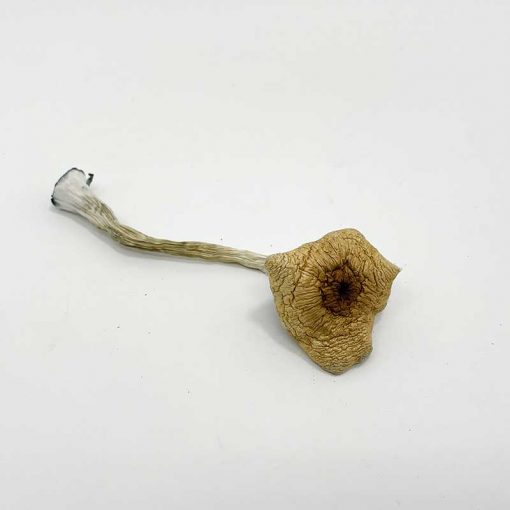
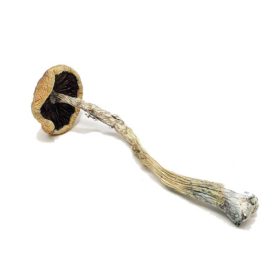
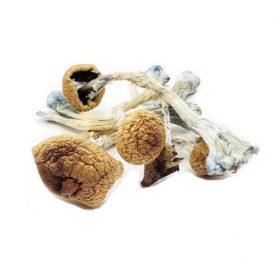
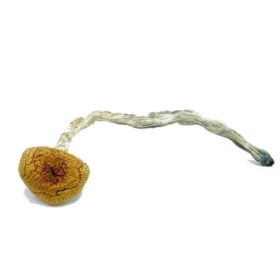
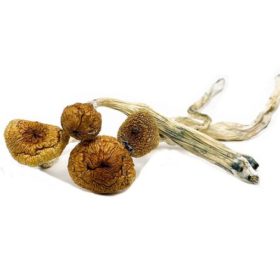
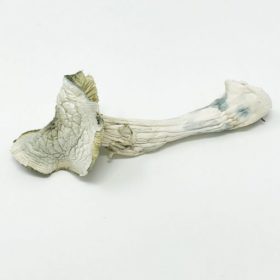
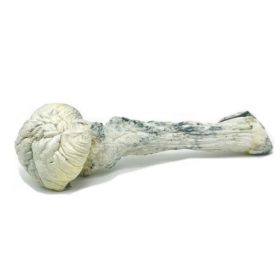
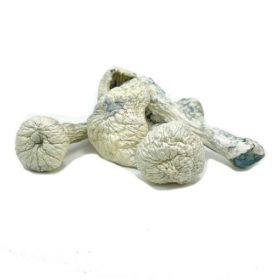
Treasure Coast Magic Mushrooms typically display medium to large caps with a classic cubensis shape. The caps often begin convex and gradually flatten as the mushroom matures.
Common cap traits include:
Environmental conditions play a significant role in determining the final appearance, which can vary even within the same genetic line.
Stems and Structure
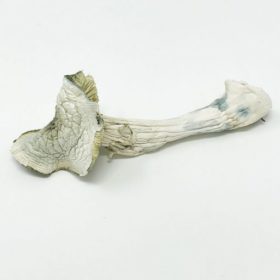
The stems of Treasure Coast Magic Mushrooms are generally:
These physical traits are often cited in discussions about the strain’s resilience and adaptability across different environments.
Spore Characteristics
Like most Psilocybe cubensis strains, Treasure Coast Magic Mushrooms produce dark purplish-brown spores. Spore coloration is a defining characteristic used by mycologists to identify cubensis species.
Genetic Stability and Strain Reputation
Treasure Coast Magic Mushrooms are frequently described as having stable genetics, a term used by researchers to indicate consistent observable traits across multiple generations.
This perceived stability has contributed to the strain’s popularity in academic discussions and comparative studies involving cubensis varieties. While all Psilocybe cubensis share core genetic similarities, subtle variations can occur due to environmental adaptation and selective documentation.
Natural Habitat and Environmental Preferences
Climate Conditions
Treasure Coast Magic Mushrooms are associated with warm, humid climates similar to those found in Florida and other subtropical regions. These conditions support rapid mycelial development and fruiting in the wild.
Key environmental factors include:
High humidity
Moderate rainfall
Organic-rich substrates
Geographic Distribution
Although the strain is named after a specific region, Psilocybe cubensis species are found across many parts of the world, including:
The Treasure Coast variety represents one documented genetic lineage within this global distribution.
Historical and Cultural Context
Indigenous and Historical Use of Psilocybe Species
While Treasure Coast Magic Mushrooms themselves are a modern classification, psilocybin-containing mushrooms have a long history of use among indigenous cultures, particularly in Mesoamerica.
Ancient civilizations documented ceremonial and spiritual relationships with sacred mushrooms, often referring to them as “flesh of the gods.” These traditions laid the foundation for contemporary scientific interest in psilocybin.
Modern Psychedelic Research Era
In the mid-20th century, Western researchers began formally studying psilocybin, leading to a resurgence of interest in various Psilocybe cubensis strains, including Treasure Coast.
Today, research institutions around the world are investigating psilocybin for its potential psychological and neurological applications, though such studies are conducted under strict regulatory oversight.
Treasure Coast Magic Mushrooms in Mycological Study
Importance in Comparative Research
Treasure Coast Magic Mushrooms are often referenced in comparative discussions alongside other cubensis strains such as Golden Teacher, B+, and Ecuador.
Researchers examine factors such as:
Growth consistency
Environmental tolerance
Morphological variation
These comparisons help improve understanding of fungal genetics and adaptation.
Contribution to Fungal Biodiversity Awareness
Studying strains like Treasure Coast Magic Mushrooms highlights the incredible biodiversity within the fungal kingdom. It also reinforces the importance of responsible documentation and conservation of naturally occurring species.
Legal and Ethical Considerations
Legal Status Awareness
The legal status of psilocybin-containing mushrooms varies widely by country, state, and region. In many areas, possession or use remains restricted, while some jurisdictions have moved toward decriminalization or regulated research access.
Anyone studying or discussing Treasure Coast Magic Mushrooms should remain aware of applicable laws and regulations in their location.
Ethical Study and Education
Ethical discussions around psychedelic fungi emphasize:
Educational content about Treasure Coast Magic Mushrooms should always prioritize accuracy and cultural sensitivity.
Treasure Coast Magic Mushrooms in Contemporary Culture
Popularity in Online Mycology Communities
Treasure Coast Magic Mushrooms are frequently mentioned in online forums, academic articles, and educational platforms dedicated to mycology and ethnobotany.
Their reputation for consistency and resilience has made them a recurring subject of interest in strain comparisons and historical retrospectives.
Representation in Media and Literature
As public interest in psychedelics grows, strains like Treasure Coast Magic Mushrooms are increasingly referenced in documentaries, research publications, and discussions about the future of psychedelic science.
Scientific Research and Future Perspectives
Ongoing Psilocybin Studies
Modern research institutions are exploring psilocybin’s effects on brain plasticity, mental health treatment models, and consciousness studies. While these studies do not focus on individual strains, Treasure Coast Magic Mushrooms remain part of the broader cubensis narrative.
The Future of Fungal Science
Advances in genetic sequencing and mycology are likely to refine how strains like Treasure Coast are understood, categorized, and preserved. Future research may uncover deeper insights into genetic lineages and evolutionary adaptation.
Conclusion: Why Treasure Coast Magic Mushrooms Matter
Treasure Coast Magic Mushrooms represent more than just a named variety within Psilocybe cubensis. They symbolize the intersection of geography, history, science, and culture within the study of psychedelic fungi.
From their roots in Florida’s Treasure Coast to their place in modern mycological discourse, this strain continues to spark curiosity and academic interest. Understanding Treasure Coast Magic Mushrooms through an educational lens helps foster responsible dialogue and appreciation for fungal biodiversity.
As research into psilocybin and mycology continues to evolve, strains like Treasure Coast will remain important reference points in the ongoing exploration of nature’s most fascinating organisms.


Reviews
There are no reviews yet.